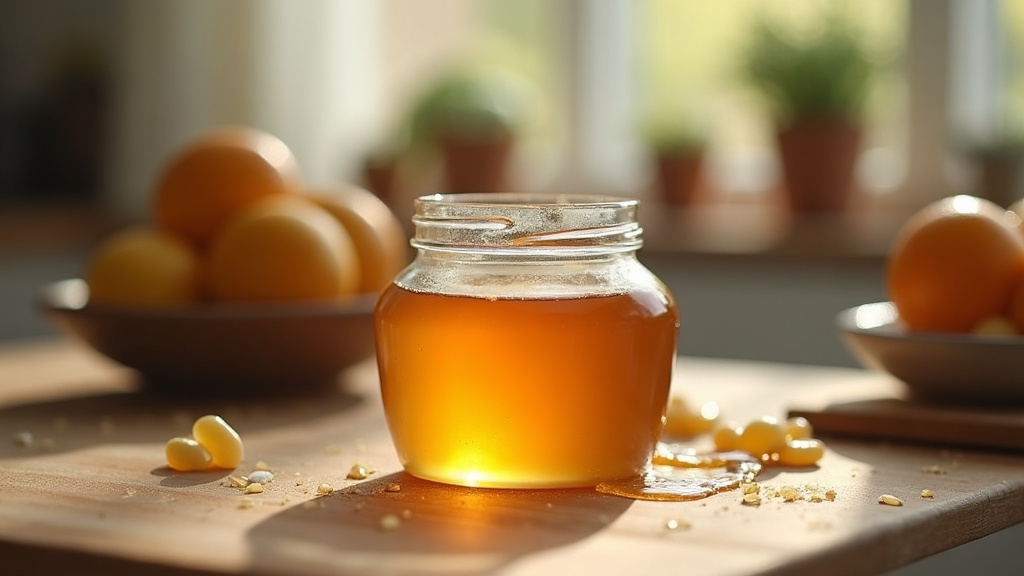
A simple evening habit built around honey, warm water, and a slower kind of morning — the kind grandmothers never explained, they just repeated it, night after night.
nPicture this: you walk into the kitchen for the honey jar and forget why you’re standing there. It happens more than anyone admits out loud.
nRecall doesn't vanish — it just takes a beat longer, especially by late afternoon.
Many people over 50 notice thinner, more interrupted sleep, which affects how sharp mornings feel.
Years of low-grade stress can make focus feel scattered, even on ordinary days.
Simple rituals — meals, rest, movement — often quietly disappear as routines shift with age.
Let’s clear a few things up. No drama, just what’s actually being said.
nMemory changes always mean something is seriously wrong.
nMost shifts after 50 are common and widely discussed in conversations about healthy aging.
nOnly supplements or medication can help you feel sharper.
nEveryday rituals — sleep, food, quiet moments — are some of the most talked-about habits in aging research.
nIt’s too late to start a new evening habit.
nSmall, calm rituals are easy to begin at any age, including tonight.
nNothing complicated. Just three small moments, repeated.
nBefore dinner, the honey jar comes out and sits on the counter. It’s a visual cue — a signal that the evening is slowing down.
nA few quiet minutes stirring warm water with a spoonful of honey, sometimes a drizzle of olive oil. No rushing.
nFive screen-free minutes before bed. Just sitting. Just breathing. That’s the whole step.
nLong before wellness trends, coastal Mediterranean households kept honey, olive oil, and warm water as an evening staple — not for any single reason, but because it was simply how the day was closed. Researchers studying long-lived populations in that region have long pointed to these unhurried daily rituals, alongside diet and community, as recurring patterns worth studying.
nThe insight isn’t the honey itself — it’s the pause it creates. A small, repeated signal that the day is done.
nForgetting what day of the week it is more often than before.
Asking the same question twice in one conversation without noticing.
Struggling to follow a recipe you've made a hundred times.
Finding keys in the fridge or glasses in the pantry.
Feeling noticeably foggier as the day goes on, especially after 3pm.
Skipping social plans out of worry about word-finding trouble.
These are individual experiences shared for illustrative purposes. Results vary from person to person, and these statements are not a guarantee of any outcome.
nNo. This is an evening ritual built around simple kitchen staples like honey and olive oil — not a pill, powder, or drug.
nJust honey, warm water, and a few quiet minutes. Most people already have what they need at home.
nMany people do it about 20-30 minutes before sleep, but there’s no strict rule — consistency matters more than timing.
nNo. It’s simply a calming evening habit that anyone curious about their routine can try.
nThe video walks through the ritual and where it comes from. Any resources mentioned are optional and clearly disclosed.
nThe video references general research on Mediterranean lifestyle habits and aging, not clinical claims about this specific ritual.
nYes — especially if you have existing health conditions or take medication. This content is educational, not medical advice.
nIt takes a few minutes to watch. No pressure, no obligation — just the story behind the honey jar on the counter.
nAdvertising Disclosure: This is sponsored content created for advertising purposes. It may contain affiliate links, and we may receive compensation if you click a link or make a purchase through this page.
nContent Disclaimer: This content is for educational and informational purposes only. It has not been evaluated by the FDA. It is not intended to diagnose, treat, cure, or prevent any disease. Always consult a qualified healthcare professional before making changes to your health routine.
nResults Disclaimer: Individual results vary. Testimonials and experiences shared on this page reflect personal opinions and are not a guarantee of any specific outcome for any other individual.
n© 2026 · All Rights Reserved · /contact/
n